
Samantha Bax came to this from the wrong direction. She is not a dietitian and has never claimed to be one. What she is, is a careful reader of the research and a stubborn cook.
She got interested the way most people do. Somebody she loved lost a great deal of weight in her seventies and was congratulated by everyone. Then she could not get out of a low chair without help. The weight had come off. So had the muscle.
Nobody had mentioned that this was a possible outcome, or that it was avoidable. Every book since has circled the same question: how to eat less without giving up the strength that lets a person stay in her own house.
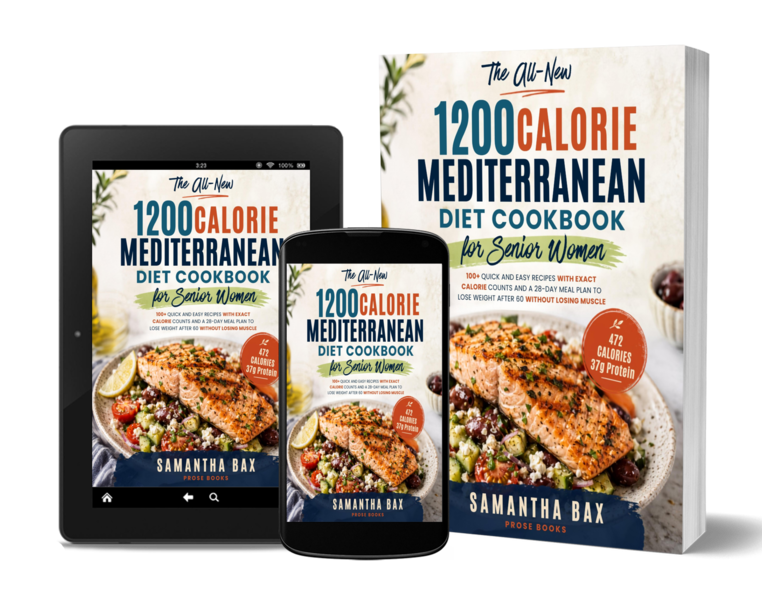
Cookbooks for women who have been cooking for fifty years and are being told, rather late, that they have been doing it wrong.

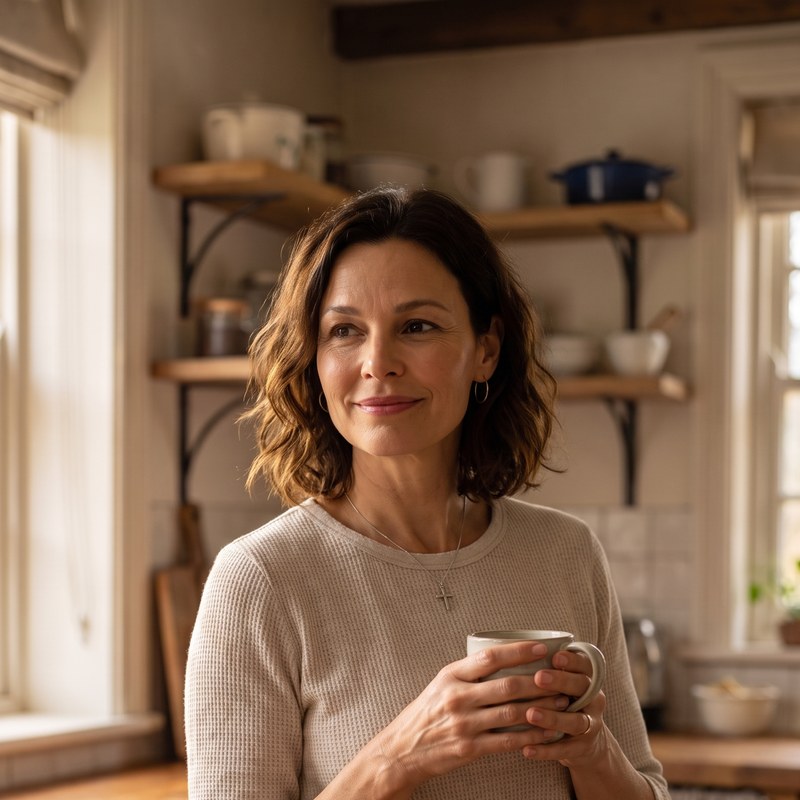
Samantha Bax works the way an editor works rather than the way a cookbook writer usually does. Every calorie count in her books is calculated from the ingredient quantities as written, nothing estimated and nothing copied across.
Recipes get rewritten or thrown out when the arithmetic comes back and says they do not work. It is a slow way to make a cookbook. It is the only honest one.

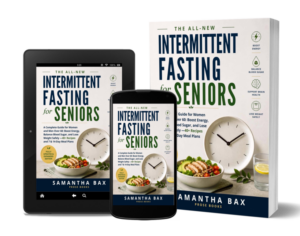
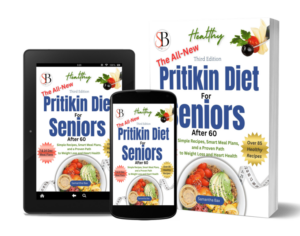

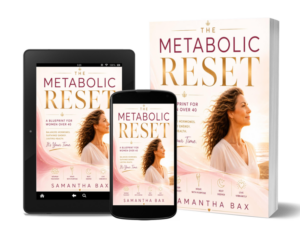
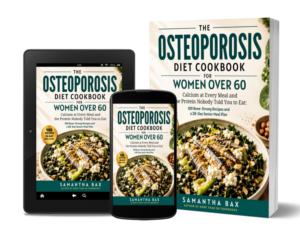
Is this any use if I am not trying to lose weight?
Yes. The thread running through the book is not weight, it is what you keep while you eat less. Chapter 3 is about protecting muscle — the part that decides whether you are still carrying your own shopping up your own stairs in ten years. If you are eating at your usual level and simply want the protein to be there, the counts and the recipes work exactly the same.
Do I have to count anything myself?
No. Every recipe carries its calorie and protein count per serving, already worked out, and the 28-day plan totals each day for you. If you want to swap one dinner for another, the numbers are printed on both pages. That is the only arithmetic involved.
What if I only eat twice a day?
That is accounted for. Chapter 6 sets out three ways to spend the day's calories, and the 28-day plan is written in two of them — so you can follow it without forcing down a breakfast you do not want.
Do the recipes work if I am cooking for one?
Most of the book assumes one or two people. Of the 110 recipes, 27 are written for one and the other 73 serve two — which, on your own, is dinner and tomorrow's lunch rather than a week of the same thing.
What makes these different from other diet cookbooks?
The counts. Every calorie and protein figure is calculated from the ingredient quantities as written on the page — nothing estimated, nothing copied across from another book. Recipes that did not add up were rewritten or thrown out. It is a slow way to make a cookbook and it is the only honest one.

Prose Books publishes Samantha Bax, Jess Langford and Alex Carter, Bryn Ledbetter and Vivian Selby. Join the list and you'll hear when a new book lands — usually at a launch price, always before it goes anywhere else.
We process your personal data as stated in our Privacy Policy. You may unsubscribe by clicking the unsubscribe link at the bottom of any of our emails.