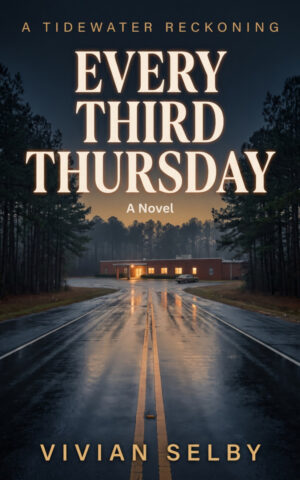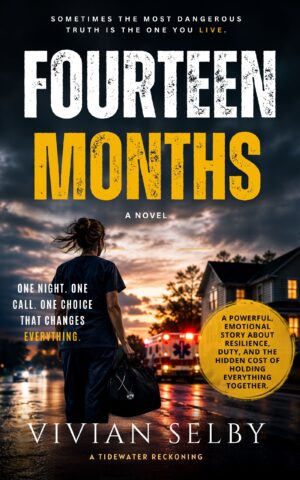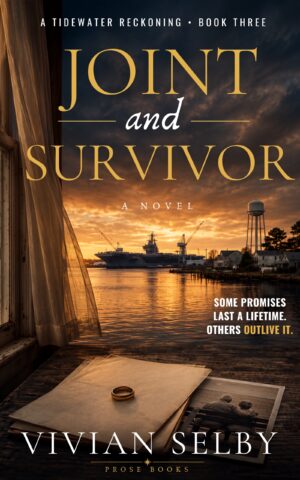
Vivian Selby writes crime fiction set along the tidewater coast — the low, water-logged country where the land gives way to the sound, and where a thing sunk in the marsh has a way of surfacing a generation late.
Her books are less interested in who did it than in who has been carrying it since. The crimes are usually old. The damage is current. And the people who have to deal with it are almost always related to each other, which is the particular cruelty of a small coastal town: you cannot investigate anything without investigating your own family.
They are patient books, more concerned with pressure than with pace — the kind where the reader works out what happened a few pages before the character does, and then has to watch them get there.
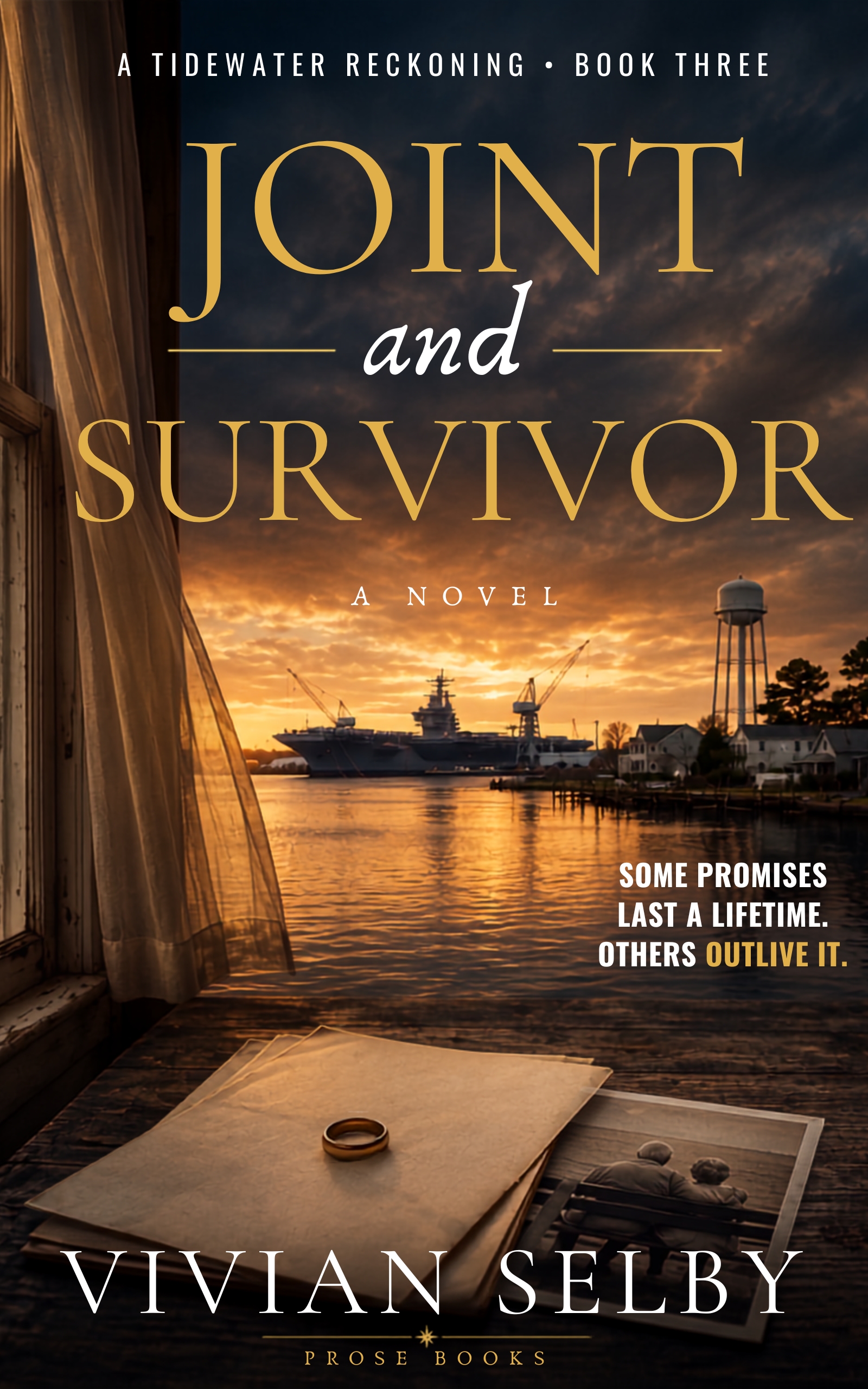
Southern crime fiction from the tidewater coast, where what was buried does not stay buried.


A Tidewater Reckoning is a loose series of standalone novels that share a setting and a preoccupation — fractured loyalties, inherited silence, and the long consequences of a decision somebody made before the narrator was born.
The register is Southern, atmospheric and slow-burning. Character-driven rather than procedural, for readers who come to crime for the people rather than the puzzle.
Do I have to read them in a particular order?
No. Each book is a complete standalone with its own case and its own ending. They share a setting and a preoccupation rather than a continuing plot, so you can start anywhere.
Are these police procedurals?
No. There is detection in them, but the interest is in the people carrying the thing rather than the mechanics of catching anyone. If you read crime for forensic detail and chain of evidence these will feel slow. If you read it for families, they will not.
Are they fast-paced?
They are patient on purpose — the pressure builds rather than the speed. You will often work out what happened a few pages before the character does, and then have to watch them get there. That is the effect being aimed at, not a mistake.
Where are they set?
The tidewater coast — the low, water-logged country where the land gives way to the sound. Small towns where everyone is related to everyone, which is what makes an old crime so hard to investigate and so hard to leave alone.
What if I do not usually read crime fiction?
Then you may find these closer to family novels that happen to contain a crime. The crimes are old and mostly offstage. What is on the page is what the knowledge of them has done to the people who have had to live with it.

Prose Books publishes Samantha Bax, Jess Langford and Alex Carter, Bryn Ledbetter and Vivian Selby. Join the list and you'll hear when a new book lands — usually at a launch price, always before it goes anywhere else.
We process your personal data as stated in our Privacy Policy. You may unsubscribe by clicking the unsubscribe link at the bottom of any of our emails.